- May 20, 2025
- 2:00 pm
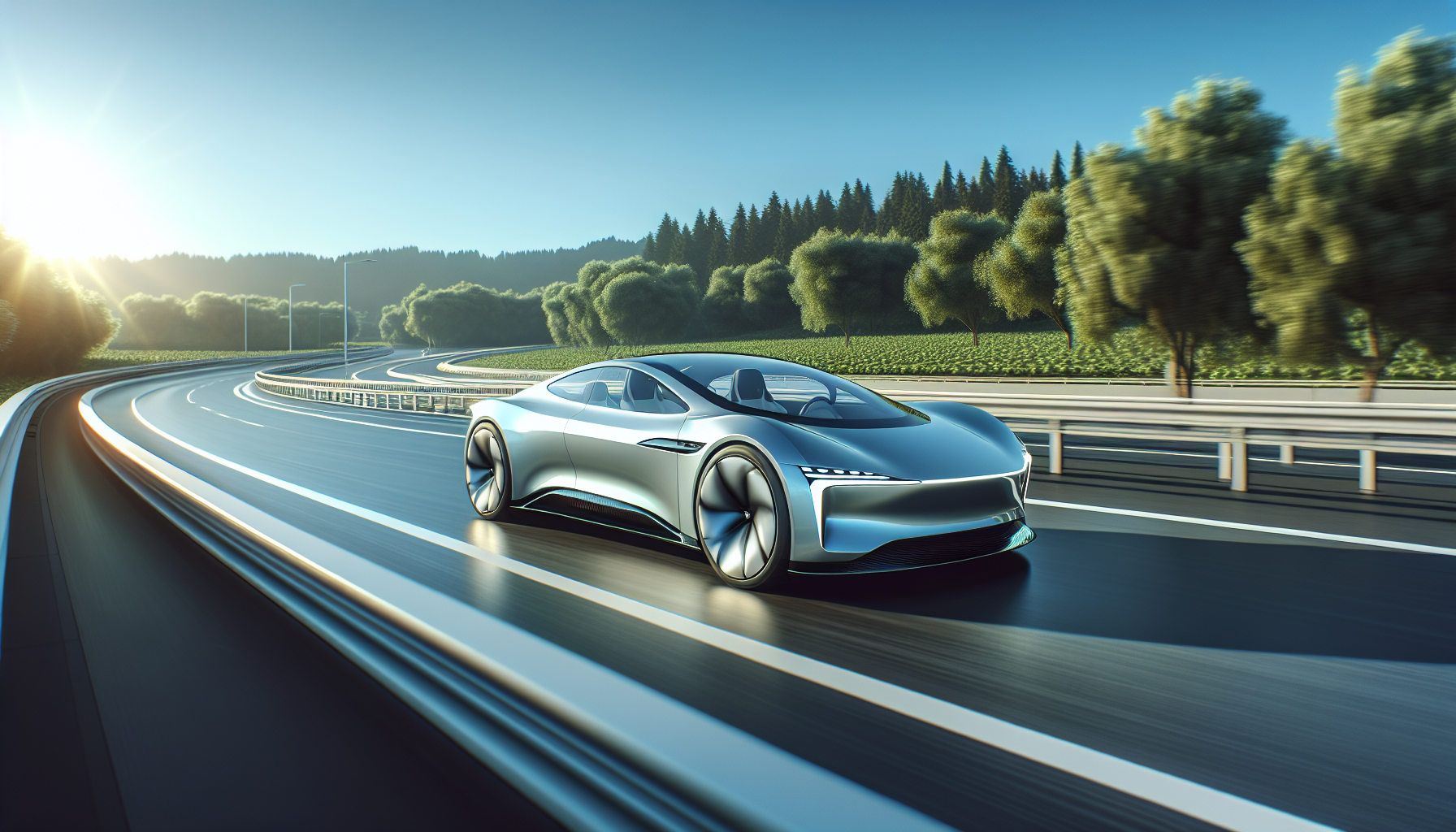
Electric vehicles have been gaining traction in the automotive industry as the world shifts towards more sustainable transportation options. The advancements in technology, coupled with growing environmental awareness, have propelled the rise of electric cars. In this article, we will delve into the electric revolution, exploring the history, innovations, benefits, and future trends of electric vehicles.
The Rise of Electric Vehicles
Electric vehicles have come a long way since their inception in the 19th century. While initially overshadowed by internal combustion engine vehicles, recent years have seen a surge in the popularity of electric cars. With concerns over climate change and air pollution on the rise, electric vehicles have emerged as a cleaner and greener alternative to traditional gasoline-powered cars.
Advancements in Battery Technology
One of the key drivers of the electric vehicle revolution is the continuous advancements in battery technology. Lithium-ion batteries, the predominant power source for electric cars, have seen significant improvements in energy density, charging speed, and overall performance. Innovations in battery technology have led to longer driving ranges, shorter charging times, and increased durability, making electric vehicles more practical and appealing to consumers.
Environmental Impact and Sustainability
Electric vehicles have a positive impact on the environment due to their zero tailpipe emissions. By reducing reliance on fossil fuels, electric cars help mitigate greenhouse gas emissions and combat climate change. Additionally, the shift towards electric vehicles promotes sustainability by decreasing dependence on finite resources and minimizing environmental degradation associated with traditional transportation systems.
The Popularity of Electric Cars
The global demand for electric cars is on the rise, driven by factors such as environmental consciousness, energy efficiency, and government support. Consumers are increasingly drawn to electric vehicles not only for their eco-friendly attributes but also for their economic benefits and technological advancements.
Cost-Efficiency and Savings
Owning and operating an electric vehicle can be more cost-efficient in the long run compared to traditional gas-powered cars. While the upfront cost of purchasing an electric car may be higher, the lower maintenance and fuel expenses can result in significant savings over time. Additionally, government incentives, tax credits, and reduced charging costs contribute to the overall affordability of electric vehicles.
Government Incentives and Policies
To encourage the adoption of electric vehicles, many governments around the world have implemented incentive programs and supportive policies. These initiatives include financial incentives, rebates, tax credits, and infrastructure development to boost electric vehicle sales and promote sustainable transportation options. Government support plays a crucial role in accelerating the transition to electric mobility and reducing carbon emissions from the transportation sector.
The Future of Electric Vehicles
The future of electric vehicles looks promising, with ongoing technological advancements and growing market acceptance. Predictions suggest a continued expansion of electric vehicle offerings, improved battery performance, enhanced charging infrastructure, and increased consumer awareness. As electric vehicles become more mainstream, we can expect to see a shift towards a cleaner, greener, and more sustainable transportation ecosystem.
For a wide selection of electric vehicles and expert advice on transitioning to electric mobility, contact Lone Star Motosports at (808) 222-1509 or email us at lonestarmotosports@gmail.com. Choose sustainability and innovation with our reliable inventory of electric cars and join the electric revolution today.